Christa Pike Reportedly Walking Again After Alleged Execution Attempt — But What Does She Remember?
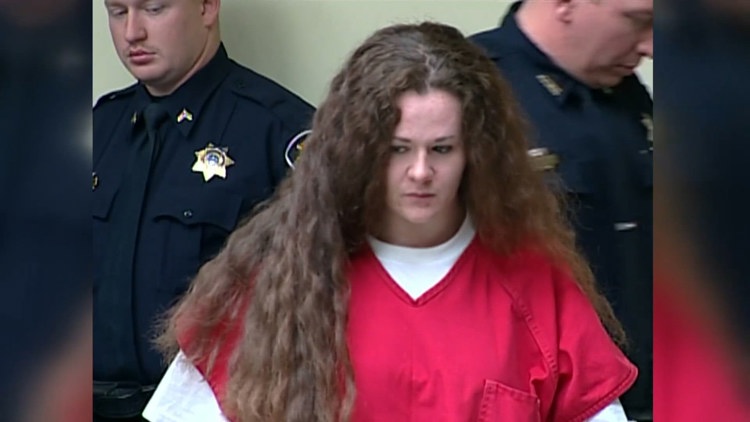
Christa Pike was supposed to die on September 30. Instead, the 50-year-old Tennessee death row inmate survived two doses of lethal-injection drugs, was rushed to a hospital, and became the center of an extraordinary legal controversy that has left state officials facing difficult questions about their execution procedures.

More than a week later, the case has moved far beyond the failed execution itself. Tennessee Governor Bill Lee has suspended the state’s remaining scheduled executions for 2026 and ordered an independent investigation. Meanwhile, Pike’s attorneys are fighting to preserve evidence, obtain information about her medical treatment, and determine whether the state can legally attempt to execute her again.
At the heart of the controversy is a question with potentially far-reaching consequences: Can a state subject a prisoner to another execution attempt after the first one has already caused serious physical harm?
The Execution That Did Not End as Planned
On the evening of September 30, Pike was brought into the execution chamber at Riverbend Maximum Security Insтιтution in Nashville. She had been sentenced to death for the 1995 murder of 19-year-old Colleen Slemmer, a fellow student at the Knoxville Job Corps Center.
The execution was intended to be carried out using pentobarbital, a powerful anesthetic employed in Tennessee’s lethal-injection protocol.
However, witnesses reported that the procedure did not unfold as expected.
After the first dose was administered, Pike remained alive. A second dose followed, but witnesses continued to observe signs of breathing and physical movement. Some described hearing snoring sounds long after the drugs should have taken effect.
The execution continued for an extended period without producing the intended result.

Eventually, the procedure ended without Pike’s death being confirmed. Emergency medical ᴀssistance was requested, and she was transported from the prison to a hospital.
The Tennessee Department of Correction subsequently maintained that its personnel had followed the state’s established execution protocol. Its statement did not fully explain why the drugs failed to produce the expected outcome.
For witnesses, attorneys, and officials, the incident immediately raised questions about whether the drugs had been properly administered and whether medical complications had interfered with the procedure.
Pike’s Medical Condition Becomes a Central Concern
Following the failed execution, Pike was hospitalized with serious medical complications.
Her attorneys initially described her condition as critical, reporting injuries ᴀssociated with repeated attempts to establish intravenous access and administer the execution drugs.
According to subsequent accounts from her legal representatives, Pike experienced significant swelling and injuries to her arms. Reports also described pneumonia, a blood clot, and difficulties ᴀssociated with her recovery.
Some of these complications were consistent with concerns that her attorneys had raised before the scheduled execution.
Pike’s defense team had previously warned that her medical history, including problems involving her veins and blood, could make intravenous drug administration particularly difficult.
Those warnings became a major point of controversy after the September 30 procedure.
Attorneys questioned whether the medication had entered Pike’s bloodstream as intended or whether problems with intravenous access caused some of the drugs to enter surrounding tissue.
The precise medical explanation has not yet been conclusively established.
By October 7, reports indicated that Pike had regained consciousness and was beginning to communicate. Although this represented a significant development, her longer-term medical outlook remained uncertain.
Her condition also complicated the legal proceedings, with attorneys raising concerns about access to their client and the physical restraints reportedly being used during her hospitalization.
These issues have transformed the aftermath of the execution into a dispute involving medical care, prisoner rights, and the state’s responsibilities toward someone it had attempted to execute.
Tennessee Orders an Independent Investigation
The political and administrative response came quickly.
Governor Bill Lee announced that Tennessee would suspend its remaining scheduled executions for 2026 while an independent review examined the circumstances surrounding Pike’s failed execution.
The investigation is expected to address fundamental questions about the state’s lethal-injection process.
Among the most important issues are whether prison personnel followed the approved procedures, whether the execution drugs were administered correctly, and whether existing safeguards were sufficient to address unexpected medical complications.

The review must also examine how officials responded after it became apparent that Pike remained alive.
The incident has drawn particular scrutiny because Tennessee had already faced concerns about its execution practices.
Critics argue that repeated problems suggest the need for a broader examination of the state’s capital punishment system rather than a narrow investigation of one procedure.
State officials, meanwhile, have emphasized the importance of determining precisely what happened before deciding how executions should proceed.
The resignation of Tennessee Correction Commissioner Frank Strada has added another significant development to the controversy.
However, the investigation’s findings remain pending, and responsibility for the failed procedure has not been conclusively established.
✓ Team
Christa Pike was supposed to die on September 30. Instead, the 50-year-old Tennessee death row inmate survived two doses of lethal-injection drugs, was rushed to a hospital,…