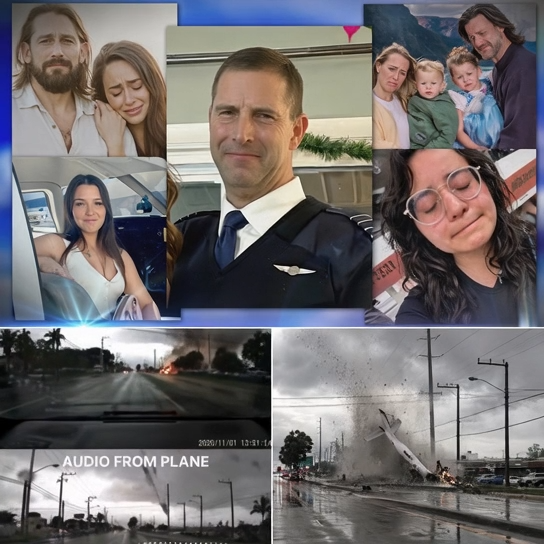
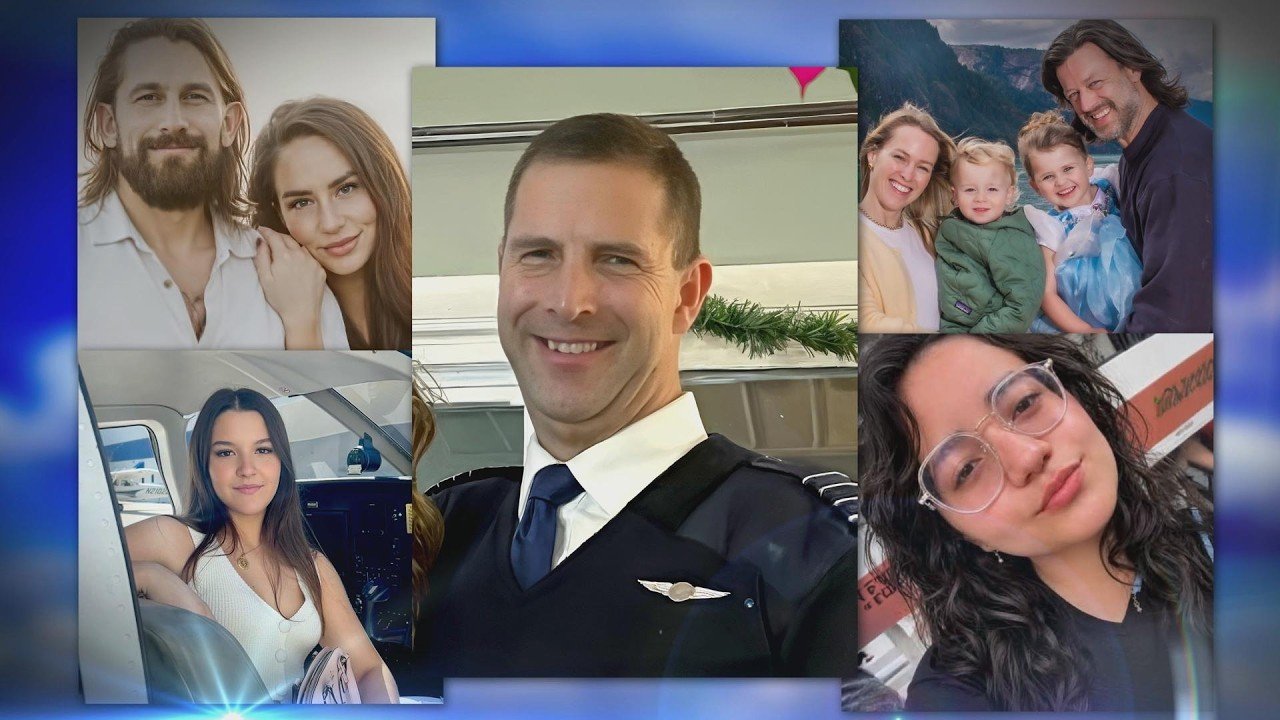
The Final Descent: A Mayday Call and a Terrifying Loss of Altitude
The most disturbing details emerged from the aircraft’s communications with air traffic control.
According to federal investigators, the crew reported icing, turbulence, and precipitation as the Learjet encountered deteriorating weather conditions.
At approximately 35,000 feet, the pilots were dealing with conditions that would become a major focus of the investigation.
The aircraft subsequently entered an extraordinarily rapid descent.
Reuters reported that the crew initially described a descent rate of approximately 10,000 feet per minute, which later increased to roughly 22,000 feet per minute.
These figures illustrate the extreme nature of the emergency.
They do not, by themselves, establish what caused the aircraft to lose control.
The crew declared an emergency as the situation deteriorated.
The final warning about the approaching ground underscored the severity of what was unfolding.
A broadcast account also describes Captain Gregory reciting the Lord’s Prayer during the aircraft’s final moments.
That particular detail has not been independently established by the official investigative information reviewed for this article.
What is documented is that the crew continued communicating during a rapidly escalating emergency.
And within minutes, the aircraft was gone.
The Discovery That Could Change the Investigation
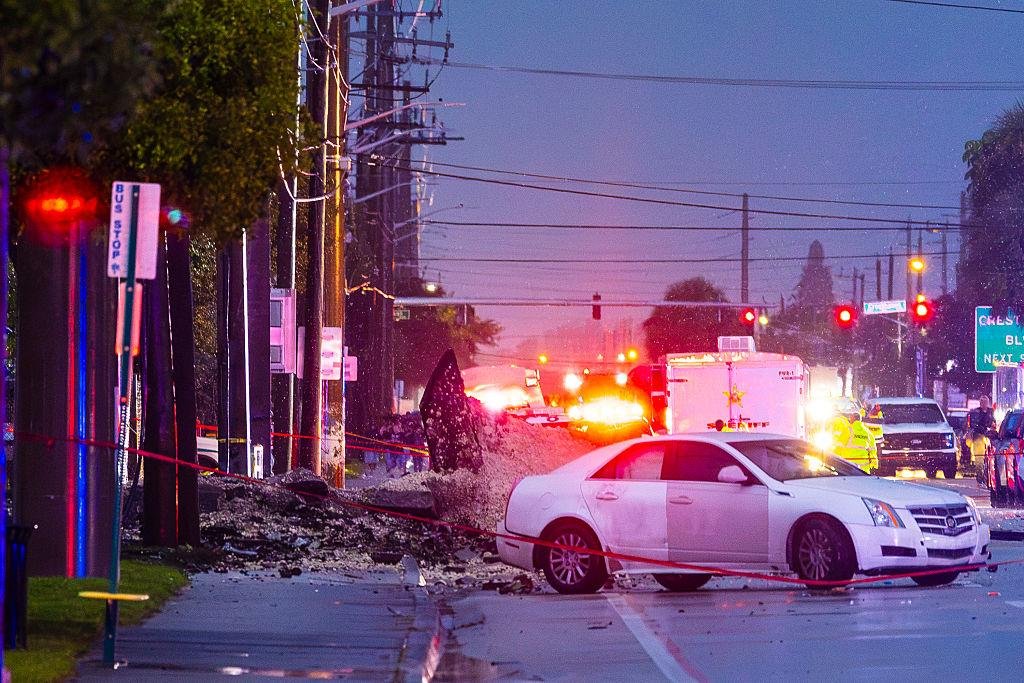
The crash scene itself was devastating.
The aircraft struck near a roadway, leaving a crater and scattered debris.
Emergency responders faced severe weather and extensive damage as investigators began examining the wreckage.
But one of the most significant discoveries was made away from the main impact site.
Investigators recovered pieces of the aircraft’s left elevator, a movable surface on the horizontal tail that helps control the airplane’s pitch.
Some fragments were discovered approximately 3.8 miles from where the aircraft crashed.
The discovery provides evidence that parts of the Learjet separated before ground impact.
However, a critical distinction remains.
Investigators have not determined whether the separation contributed to the loss of control or occurred because of the enormous forces experienced during the aircraft’s descent.
NTSB investigators are examining wreckage, weather information, flight communications, and other available evidence.
For now, the recovered tail components represent an important investigative lead, not a final explanation.
Joe Mixon’s Heartbreaking Revelation: He Had Flown on the Same Jet
As families mourned the victims, an unexpected connection to the NFL emerged.
Former Cincinnati Bengals and Houston Texans running back Joe Mixon revealed that he had traveled aboard the same aircraft just one month before the disaster.
Even more striking, he said the flight had been operated by the same two pilots who died in Florida.
In a social media tribute on November 2, Mixon described Captain Gregory and Filgueiras as outstanding professionals and wonderful people.
He expressed particular sadness about Filgueiras, whose promising aviation career ended at just 20 years old.
His statement transformed an already devastating aviation story into something deeply personal for football fans.
For Mixon, the aircraft was not simply a registration number or a headline.
It was a plane he remembered boarding, operated by people he had personally encountered.
His account offers no evidence about the cause of the crash.
But it serves as a reminder of how unexpectedly tragedy can connect people whose lives briefly crossed paths.
Yahoo Sports+1
Nine Lives Lost — And Questions Still Without Answers
The FAA and NTSB are continuing their investigation into the November 1 disaster.
Weather conditions, the aircraft’s extreme descent, and the separation of components before impact are among the issues investigators are examining.
The NTSB is expected to issue a preliminary report, but determining the probable cause could take considerably longer.
The investigation must establish not only what happened during the final descent, but also the sequence of events that led to the aircraft’s destruction.
Did the aircraft encounter conditions it could not withstand? What role did the reported icing and turbulence play?
And at precisely what point did the tail components separate?
Those questions remain unanswered.
For the families of the nine people who died, the technical findings will eventually provide an explanation of the disaster.
They cannot restore the lives that were lost.
A birthday celebration never happened. Two children never reached their holiday destination. Two pilots never returned home.
And somewhere among the recovered fragments, flight records, and final radio transmissions lies the evidence investigators hope will explain how an ordinary journey became a catastrophe.
The question now is not simply why the Learjet crashed — but what happened in the critical moments before its final descent became irreversible.